The Department of Health and Social Care together with devolved governments and a broad expert panel published the first-ever unified UK clinical guidelines for alcohol treatment.
A key part of the update is the result of direct input from people with lived experience via the Experts Through Experience Group, whose voice helped shape core principles of care.
There is a dedicated section on people with co-occurring physical health conditions, ensuring alcohol treatment services recognise and address medical complications associated with long-term or heavy drinking.
Under the “People with co-occurring physical health conditions” chapter, the guidelines recommend:
Initial health assessment
Everyone entering alcohol treatment should have a general physical-health assessment (with consent). If there are signs of health problems, they should be referred to their GP or a specialist.
Coordinated care pathways
Local services should have clear referral routes between alcohol-treatment services, primary care, and secondary care (e.g. liver services, cardiovascular, respiratory, cancer screening).
Integrated recovery plans
Treatment and recovery plans should include goals and actions related to physical health — for example, attending medical appointments, quitting smoking, engaging in healthy lifestyle and wellbeing activities.
With this update, “recovery” no longer refers solely to drinking behaviour or mental-health support. For many people, it will now also mean ongoing management of physical health, such as addressing liver damage or cardiovascular risk, quitting smoking, and maintaining general wellbeing. This reflects a more holistic, person-centred approach — one where physical health, mental health, social support and community integration are all part of a long-term recovery journey.
Find out more about the Clinical guidelines for alcohol treatment
Related Event:
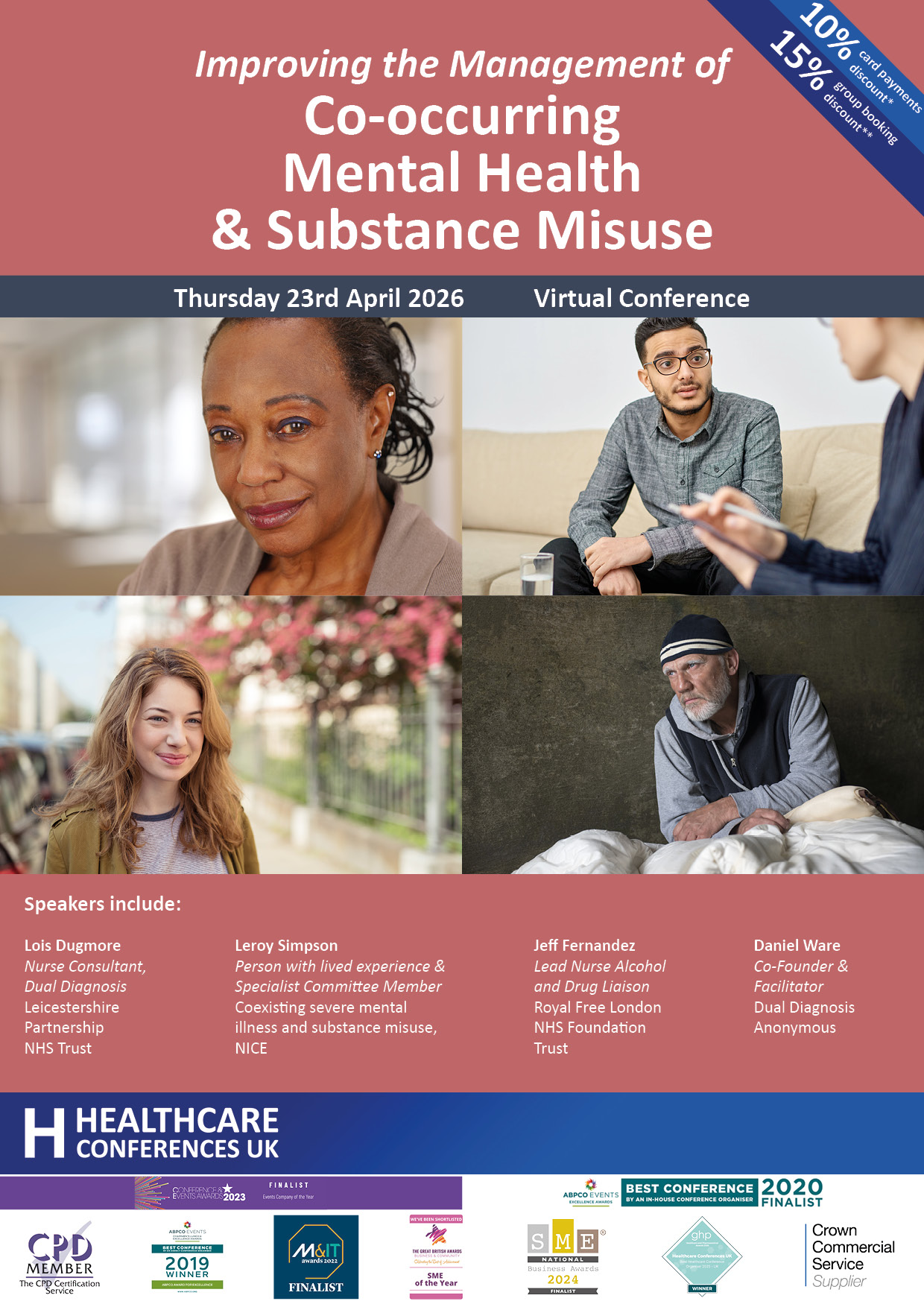 Improving the Management of Co-occurring Mental Health & Substance Misuse
Virtual, Online | Thursday 23rd April 2026
This conference focuses on improving the management and outcomes of people with co-occurring mental health and substance misuse conditions. The day will cover learning from lived experiences and organisations that have improved services, challenging stigmtisation, early intervention and prevention, adherence to the NICE Quality Standard for Co-occuring Severe Mental Health and Substance Misuse and implementing the update to the Quality Standard for Alcohol-use Disorders, effective assessment, assertive outreach and there will be specific case studies on making dual diagnosis services accessible and supporting people who are homeless.
The conference will also focus on implementing the recent Co-occurring substance use and mental health disorders report from the Royal College of Psychiatrists which was published in May 2025.