The NHS has unveiled new national guidance and free training to help teachers, school nurses and general practitioners better recognise early signs of eating disorders in children and young people as part of a broader effort to ensure no child suffers in silence.
Rising demand for specialist support has highlighted the need for wider awareness outside clinical settings. The number of young people receiving treatment for eating disorders in England has increased sharply since the pandemic, with recent figures showing services treating more than 11,000 children and adolescents, about a 40 % rise compared with 2019/20.
Under the updated guidance, NHS England will support digital training programmes for those working in education, healthcare and community settings, helping them recognise key behavioural signs and understand local referral pathways, rather than relying on outdated measures such as Body Mass Index (BMI) thresholds.
Every part of England now has a specialist eating disorder service for children and young people, and average waiting times for treatment are now around three weeks following referral - quicker access than in the past.
Dr Adrian James, NHS England’s National Medical Director for Mental Health and Neurodiversity, emphasised the importance of expanding awareness and early detection so that more children can be referred for help sooner.
We know the significant pressures young people are experiencing which can be exacerbated by social media bombarding them with content that does not always show realistic body images. And we’re seeing the impact of that with growing numbers of young people turning to the NHS for eating disorder support, but it’s vital that everyone knows how to access this treatment which is why we will be offering training to teachers, GPs and school nurses to spot the signs and refer children for specialist help faster.
By equipping frontline staff — from schools to GP practices — with the skills to spot signs early and act quickly, the NHS hopes to improve outcomes and reduce the long-term impact of eating disorders on young lives.
To learn more about the guidance, click here
Featured Conference:
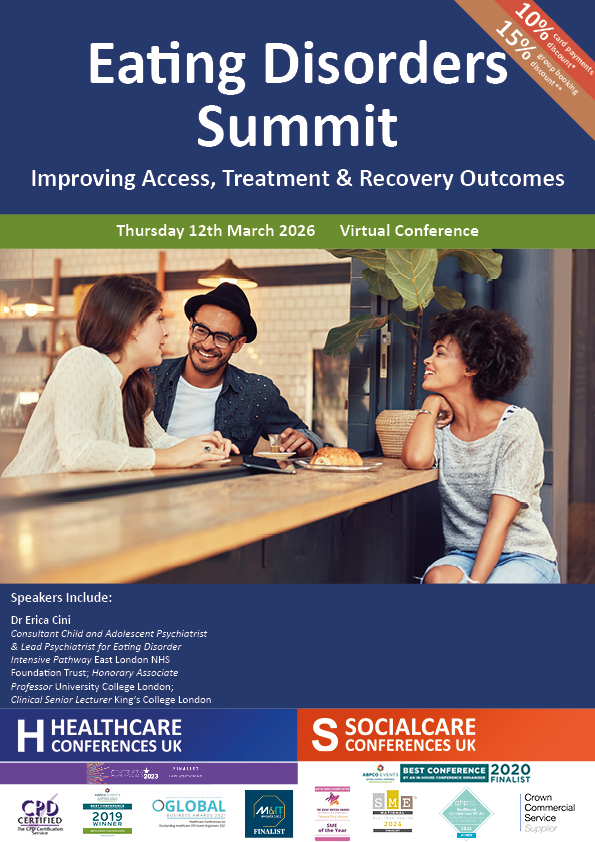 Eating Disorders Summit
Thursday 12th March 2026 | Virtual Conference
This conference will enable you to:
• Network with colleagues who are working to improve services, practice and treatment for people who are experiencing Eating Disorders
• Understand the national context and evidence base
• Reflect on the lived experience of Eating Disorders
• Understand the current challenges around waiting times and early intervention including innovative approaches to first contact services and meeting current demand
• Develop your skills and improve competence in delivering Eating Disorders services
• Ensure early intervention and reducing waiting times in both adult and child and adolescent