
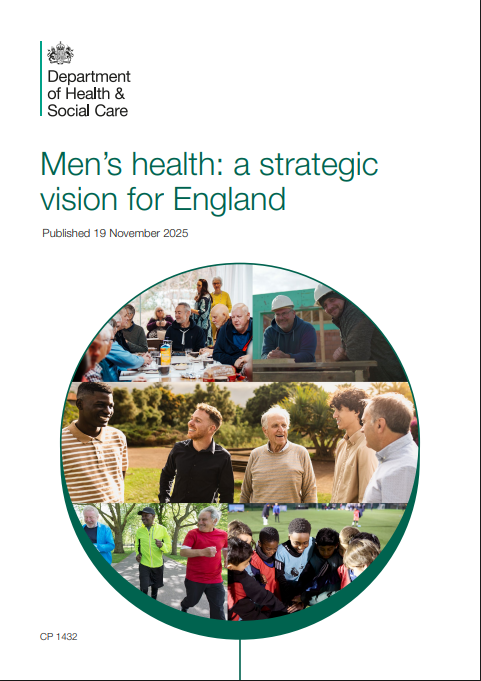
The Government has unveiled England’s first-ever Men’s Health Strategy, setting out a comprehensive plan to tackle the longstanding health inequalities faced by men and boys.
The strategy, released on International Men’s Day, marks the first coordinated national approach to improving men’s physical and mental health outcomes. It aims to address early mortality, reduce preventable disease, and break down barriers that stop men seeking help — including stigma, workplace pressures, and limited access to tailored services.
Key commitments include new suicide prevention initiatives, modernised prostate cancer care, targeted workplace health programmes, and expanded community-based support. By rolling out tailored interventions across health, community, sport, and employment settings, the strategy aims to narrow the gender health gap and improve quality of life for millions of men.
Key priorities for 2025–2035
The strategy outlines a series of national goals and long-term ambitions designed to improve outcomes across leading causes of illness and early death in men:
 Mental health and suicide prevention
£3.6 million investment to support suicide prevention projects focused on middle-aged men.
Partnerships with the Premier League and community organisations to raise awareness and direct men to support sooner.
Increased visibility of services such as NHS Talking Therapies and Every Mind Matters.
Cancer and early diagnosis
Introduction of at-home PSA testing (subject to approval) from 2027 to improve prostate cancer monitoring and early detection.
More personalised care pathways for prostate cancer patients.
Investment in research to reduce late-stage diagnosis.
Cardiovascular health
A £200,000 pilot targeting rising heart disease linked to alcohol and cocaine use, particularly in older men.
Focus on prevention, early risk identification, and personalised support.
Community and workplace health
£3 million for community-based men’s health programmes targeting high-risk and underserved groups.
New health pilots in male-dominated industries such as energy and infrastructure.
Improved support for former miners through enhanced respiratory care pathways.
Reducing health inequalities
Targeted interventions for men facing socioeconomic disadvantage, isolation, or cultural barriers to accessing care.
Collaboration with grassroots organisations such as Men’s Sheds to expand peer-support networks.
Find out more about England’s first-ever Men’s Health Strategy
Related Event:
 Eating Disorders in Boys and Men: Improving Recognition and Reducing Stigma
Virtual, Online | Friday 5th December
This conference will look at the contributing factors to eating disorders in men and boys including social media, weight loss medications and masculine body ideals.
You will also be hearing from professionals who work in eating disorder services and learn how they navigate the challenges of gender stereotypes and societal stigma preventing men and boys from receiving treatment. The conference will include the lived experience of men who have experienced treatment for eating disorders in the healthcare system.